A United Nations expert has criticised Australia’s treatment of First Nations children in detention and called on governments to raise the age of criminal responsibility.
UN Special Rapporteur on the Rights of Indigenous Peoples, Dr Albert K. Barume, made these comments during a two-week official visit to Australia, where he heard from Aboriginal and Torres Strait Islander people about their experiences.
During his visit, the Special Rapporteur highlighted the strength and leadership of First Nations communities, who continue to stand up for their rights and push for change.
But he warned that despite decades of government commitments, inquiries and recommendations, the human rights situation of Aboriginal and Torres Strait Islander peoples in Australia has not improved. In many areas, including the justice system, things have got worse.
National Justice Project’s Principal Solicitor Ashleigh Buckett and Policy & Projects Officer Jacinta Wright joined a consultation with the Special Rapporteur during his visit.
They raised the ongoing lack of accountability for deaths in custody and discrimination in detention, healthcare and policing.
First Nations children need support, not criminalisation
The Special Rapporteur described the number of First Nations people in Australia’s criminal justice system as one of the most “shocking human rights concerns”.
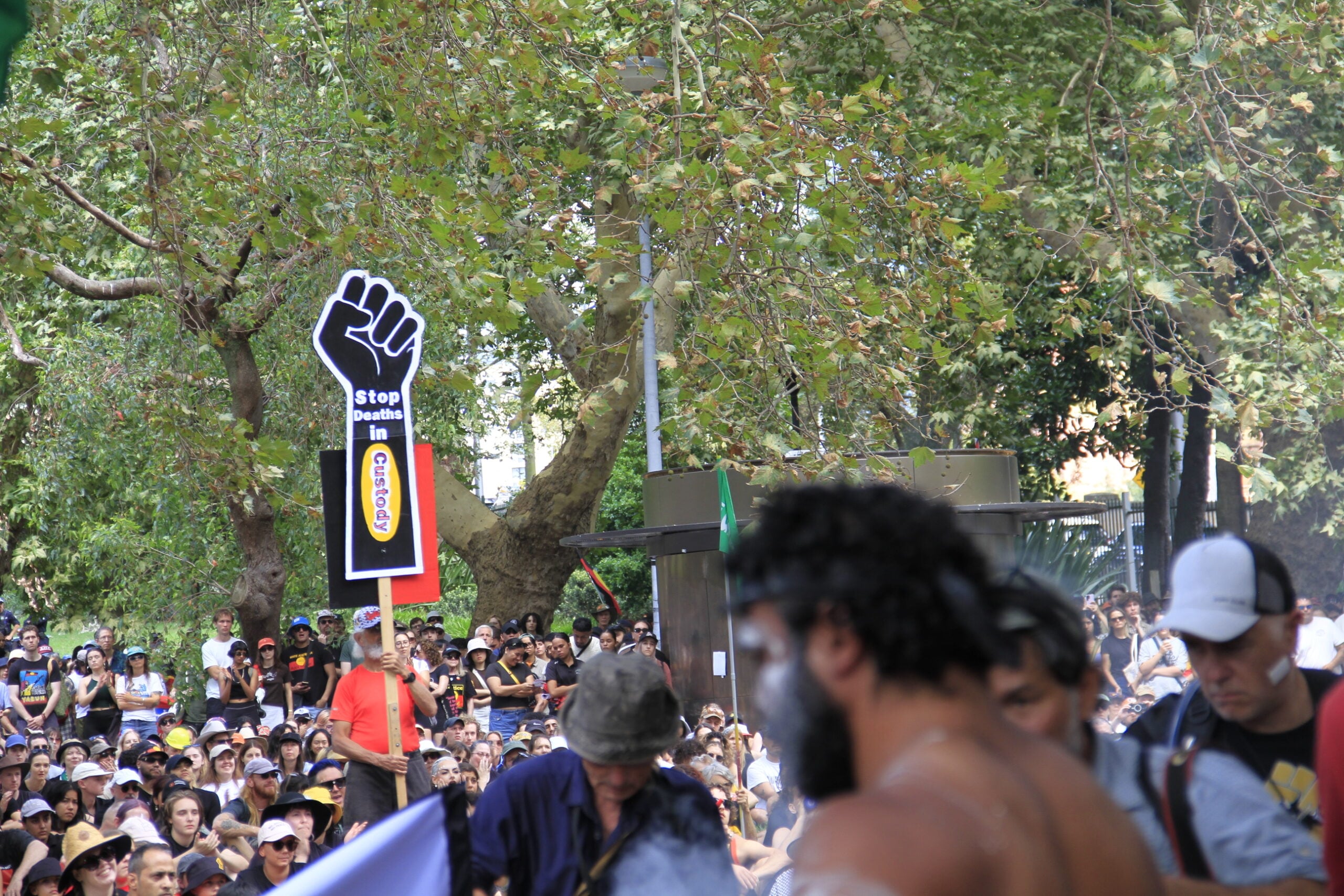
Aboriginal and Torres Strait Islander children make up 60% of children in youth detention, despite representing less than 4% of Australia’s population. This number continues to rise.
“First Peoples’ children require culturally appropriate care, protection, education, family and community support, not criminalisation,” he said.
The Special Rapporteur said this is linked to the ongoing effects of colonisation.
During his visit, he was refused access to two youth detention centres: Holtze Youth Detention Centre in the Northern Territory and Cleveland Youth Detention Centre in Queensland.
As a result, he could not see the conditions children were living in or speak with children inside either centre. The refusal meant an independent UN expert could not examine the conditions facing children in detention first-hand.
First Nations rights cannot depend on where people live
The refusal to let the Special Rapporteur visit these centres reflects a bigger problem he raised, First Nations people do not have the same protections across Australia.
He warned that First Nations rights are currently “unsafe in the hands of states and territories”.
Governments are taking different approaches to protecting First Nations rights. Some have reversed earlier reforms when governments changed, while others have introduced inhumane measures. This includes tougher youth justice laws that punish children rather than support them.
This means the protections First Nations people have can depend on where they live and which government is in power. Progress can be undone every time a government changes.
The need for urgent action
The Special Rapporteur said the federal government cannot blame Australia’s state and territory system for failing to protect First Nations rights. The Commonwealth must take responsibility for making sure these rights are protected across the country.
He called for national standards, based on the United Nations Declaration on the Rights of Indigenous Peoples, that all states and territories must follow. He also called for independent checks on governments and ways for people to seek justice when their rights are denied.
His findings reinforce what First Nations communities and advocates have been saying for decades. Children need support, opportunities and care, not cruelty that pushes them further into the criminal justice system.
This means raising the age of criminal responsibility, investing in alternatives led by First Nations communities and putting national protections in place that every government must follow.