This article was written by the Victorian Aboriginal Community Controlled Health Organisation (VACCHO) for the National Justice Project.
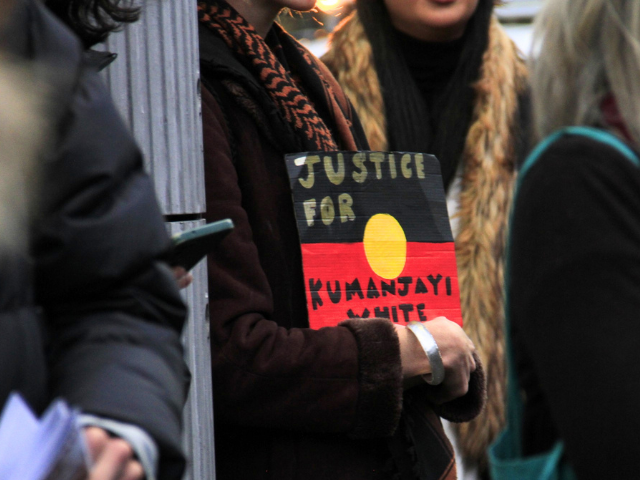
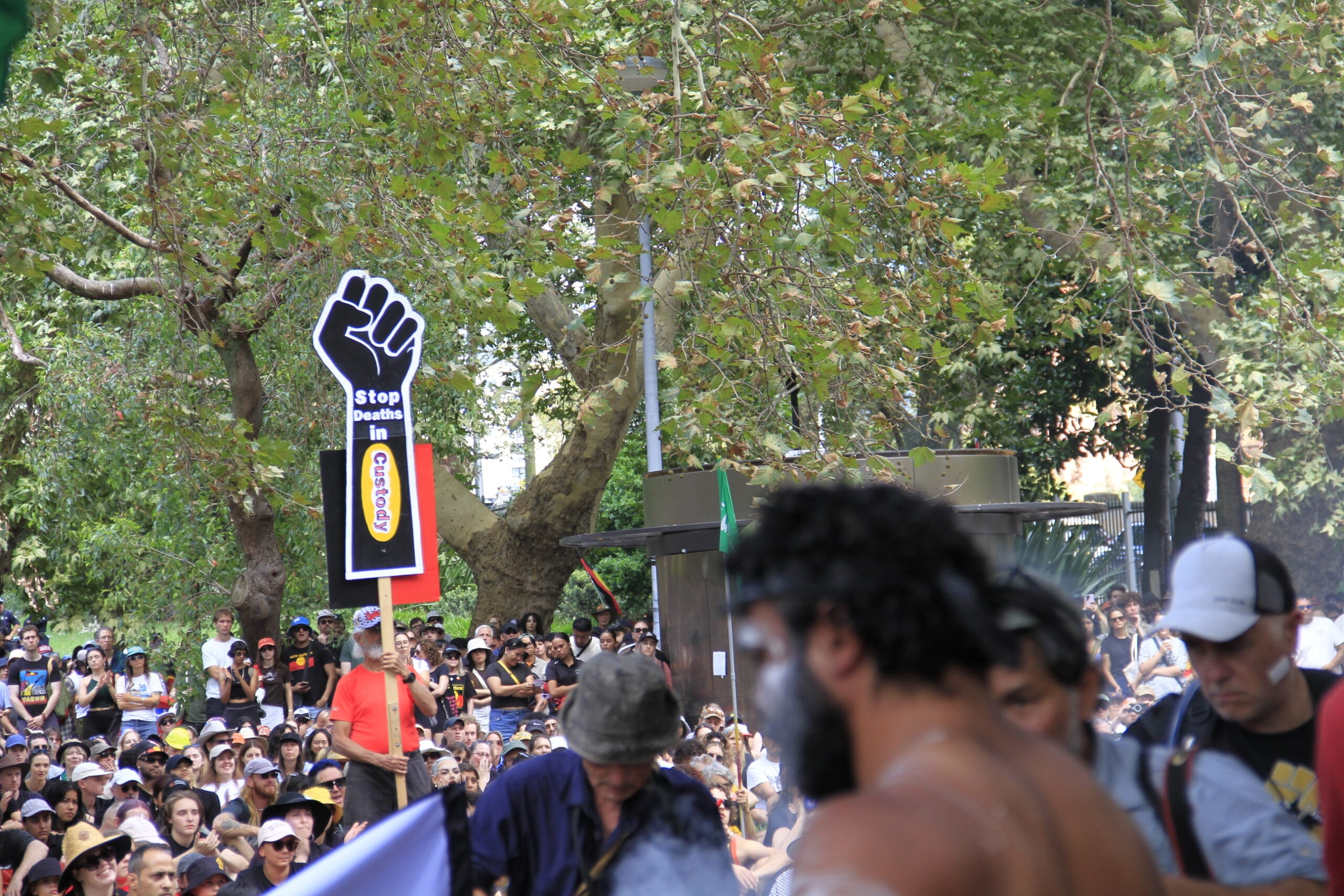
It’s been 35 years since the final report of the Royal Commission into Aboriginal Deaths in Custody was signed, and many of the recommendations remain relevant and hold the answer to avoidable, tragic deaths.
Incarcerated or not, Aboriginal and Torres Strait Islander people remain a vital part of the Community. It’s essential that they have access to culturally safe, trauma-informed health and wellbeing care, delivered by Aboriginal Community-Controlled Organisations (ACCOs) with the expertise and cultural authority to do so.
The evidence speaks for itself
Despite decades of evidence, healthcare in Victoria’s prisons continues to be delivered by private operators whose profit-driven models are not designed to meet complex health needs.
Aboriginal and Torres Strait Islander people have further complex and cultural needs that are rarely met in prison. The healthcare arrangements operate within a broader justice system shaped by racism built into laws, policies and systems, where Aboriginal people are overrepresented and their health needs are routinely deprioritised.
The result is fragmented care, a lack of cultural safety, poor continuity between prison and community health services, as well as inadequate responses to mental health and social and emotional wellbeing.
That is why the Victorian Aboriginal Community Controlled Health Organisation (VACCHO) has been campaigning to Transform Care in Custody – calling for change in three key areas.
VACCHO is calling for:
1. Healthcare in the hands of health professionals
Transfer oversight of prison healthcare from the Department of Justice and Community Safety to the Department of Health so that prison healthcare is properly overseen and held to clear health standards as recommended by the Yoorrook Justice Commission.
2. All custodial health services delivered by a public provider
All healthcare in prisons and detention should be delivered by a public provider, overseen by government and community, not private corporations. Public providers invest in prevention and early intervention healthcare to reduce the cost of services and also ensure people can get healthier quicker and stay healthy for longer
3. An ACCO-Led Model of Custodial Health and Wellbeing Care
Establishing a model of care that centres Aboriginal ways of knowing, being, and doing, provides culturally safe, community-led care will deliver real change for Mob in prison. VACCHO is calling on the Victorian Government to fund the design of prison healthcare that is holistic, culturally safe, and meets the health and social needs of Aboriginal and Torres Strait Islander people in custody.
These three reforms alone can’t resolve all the health and wellbeing challenges Aboriginal people face in prison, but they do lay the foundations for culturally safe, dignified custodial healthcare. Placing healthcare in prisons in Aboriginal hands for Aboriginal people will help to break cycles of harm.
Urgent reform is needed
In Victoria, there have been a number of recent deaths of Aboriginal people in prison. These recent deaths seem to be highlighting a pattern of failure in the healthcare system. We shouldn’t have to wait for a lengthy Coronial Inquests to deliver more findings saying the same things existing reports say. Solutions need to be delivered now.
Extensive evidence has highlighted the failures in prison healthcare policies and systems and the urgent need for ACCO-led models to promote health and prevent further deaths.
ACCO-led healthcare models deliver stronger accountability, greater trust in healthcare systems, better continuity of care when exiting prison, culturally safe, high quality, trauma-informed healthcare and better health, wellbeing, rehabilitation and reintegration outcomes.
Show your support
VACCHO’s campaign is supported by 30 organisations so far and the list is growing. VACCHO invites other organisations to show their support by signing up via their campaign website.
If you are in Victoria and are not part of an organisation, use this email template to contact your local MP and tell them every person in custody deserves care that is safe, dignified, and culturally appropriate.
Resources
These reforms are supported by numerous coronial inquests and reports including:
- Royal Commission into Aboriginal Deaths in Custody
- Yoorrook Justice Commission
- Cultural Review of the Adult Custodial Corrections System
- Victorian Ombudsman
- United Nations Rules for the Treatment of Women Prisoners and Non-custodial Measures for Women Offenders (the Bangkok Rules)
- United Nations Standard Minimum Rules for the Treatment of Prisoners (the Nelson Mandela Rules)
Read more: What needs to happen after the Yoorrook Justice Commission?
Read more: Protecting people from harmful practices in custody