When young people come into contact with the criminal justice system, they should be protected and cared for.
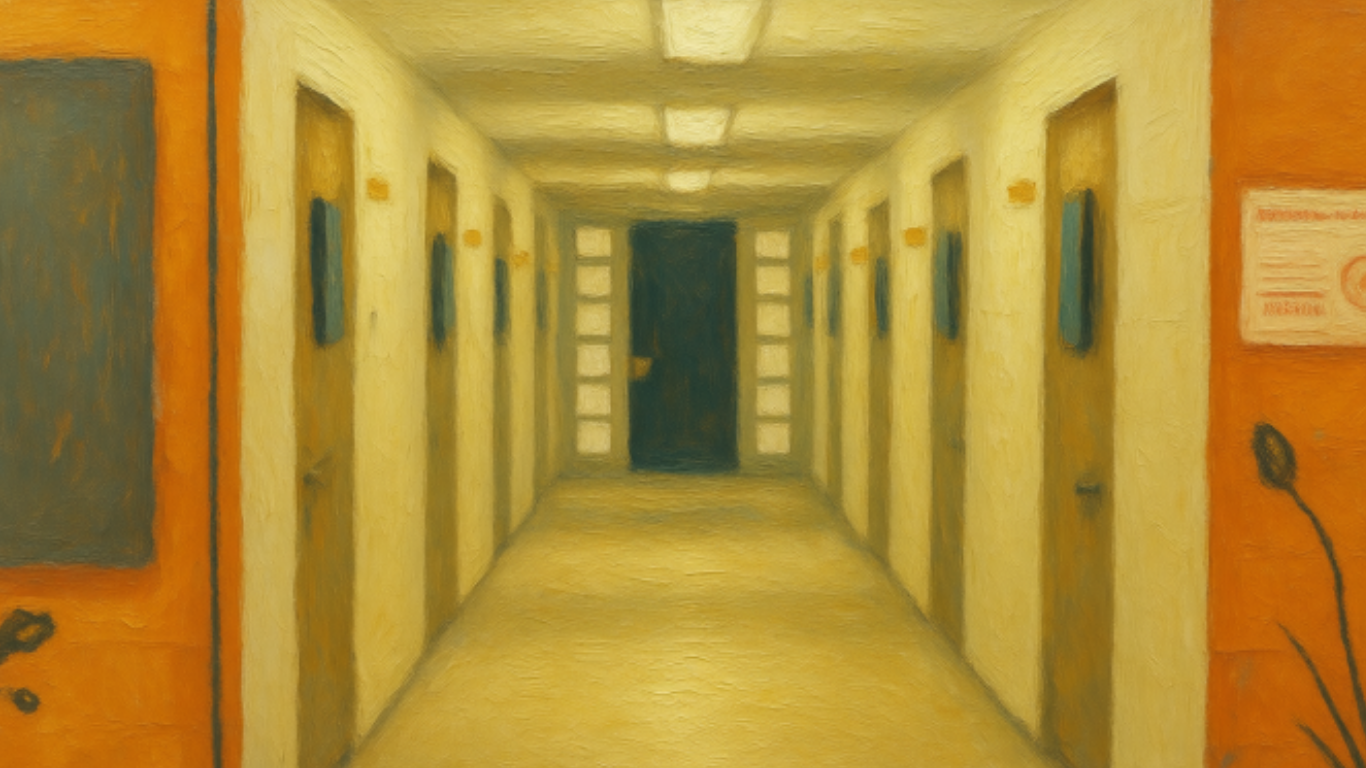
But for many children as young as 10 years old, youth detention means being locked away for up to 23 hours a day. Here, they face painful restraints and are denied the education and healthcare they need.
For years, we’ve been standing alongside young people and families who have challenged the way they were treated in detention. We look at one of those cases and what needs to change.
Eight years standing alongside young people
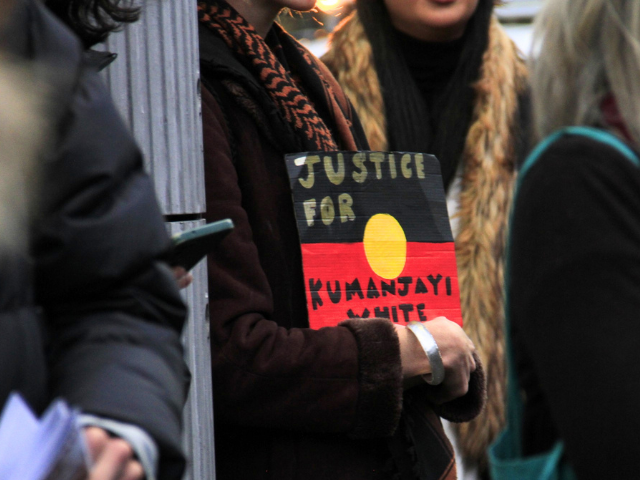
For more than eight years, our legal team worked alongside young people and their families to challenge their treatment in a WA detention centre.
The young people were locked alone in a cell, often for up to 20 hours a day, and at times up to 23 hours. They were also excessively restrained and denied the care they needed.
After years fighting for answers and change, the case was settled this year.
“You have all helped to restore the dignity that was torn from them, you have reminded them that although atrocities and their perpetrators exist in this world, so too do the fighters and champions of human rights. Thank you for holding the State accountable for all the atrocities they committed behind that razor wired concrete wall.” – Family of the young boys
In conversation with Principal Lawyer Emma Hearne
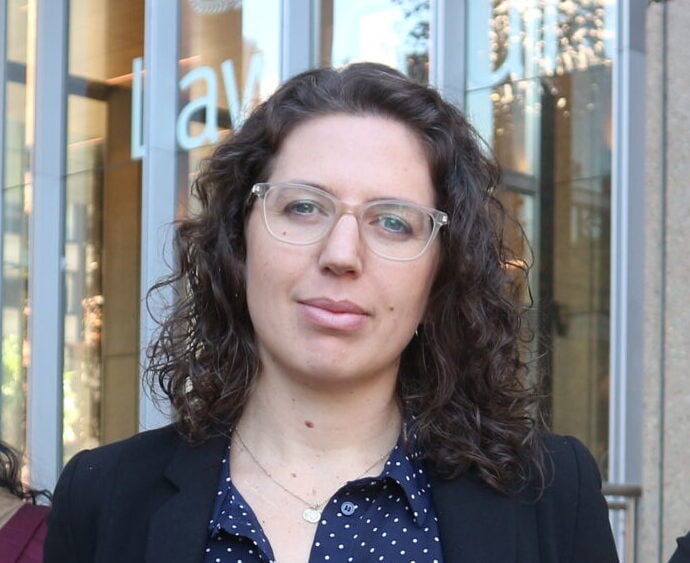
Principal Lawyer Emma Hearne worked on this case for more than eight years. We sat down with her to reflect on what she saw and why this case matters.
What is the impact on children?
Children can have lasting physical and emotional harm from their experiences in detention. Those experiences can stay with them long after they leave and impact their ability to move on with their lives.
What did this case show about how children are treated in detention?
It reflects broader failures in the way children are treated in detention. No child should be harmed while in the care of the State. When children are placed in the State’s care, there is a duty to protect and support them. The State should be caring for these children and supporting their rehabilitation so they don’t return to the justice system. Sadly, we too often see the opposite because of how they are treated in detention.
What needs to change?
Children in detention need access to healthcare, education and support, as well as safe ways to speak up if something goes wrong.
In our submission to the Disability Royal Commission in 2022, we also called for better monitoring of detention centres. This included mandatory CCTV and body cameras for detention officers. But crucially, we also need to look at what happens before a child enters detention.
Children need support not criminalisation
Young people should be able to grow up and stay connected to their communities, not be isolated or sent to prison. A first response should be about supporting young people, not punishing them.
There are already programs showing what this can look like. They provide young people with a safe place to be a child, with food, activities, education and support.
In the US, alternative first responder models are widely available and improve outcomes for young people and their communities. You can find examples in the online directory and find out more about them in the AFR position paper. Learn more and make a pledge for Alternative First Responders.
Help us challenge harmful practices
Police and prisons have enormous power over people’s lives. Our work challenges what happens when that power is abused, while standing alongside the people and families pushing for change.