In brief: Yoorrook made a number of recommendations for change in Victoria. The Implementing Yoorrook: Policy Pathways for Truth, Justice and Reform project looks at what it would take to put those recommendations into practice, focusing on policing, universities and land justice.
Yoorrook was an important process that gave First Nations people in Victoria the opportunity to share their experiences and speak openly about the injustices they have faced, and the systems that have allowed those injustices to continue.
But the findings and recommendations of the Yoorrook Justice Commission raise the question, what happens next, and what would it take to implement the Yoorrook final report?
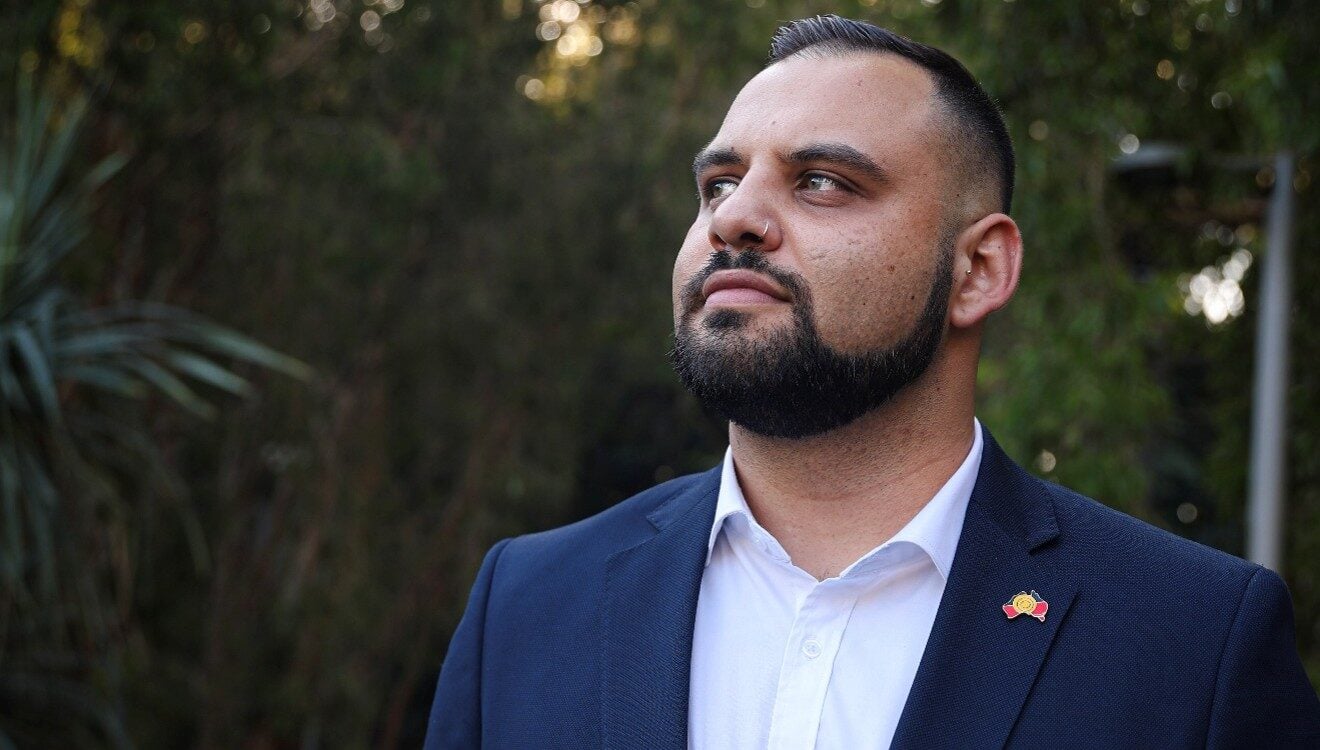
The Implementing Yoorrook: Policy Pathways for Truth, Justice and Reform project was developed in collaboration between RMIT Centre for Innovative Justice, RMIT School of Law, the National Justice Project and the International Commission of Jurists (Victoria), and authored by Dr Jeremie Bracka and Gheran Yarraman Steel, with support from Barry Firebrace-Briggs of the First Peoples’ Assembly of Victoria.
The three reports each consider what needs to happen if the findings of the Yoorrook Justice Commission lead to action.
What did the Yoorrook Justice Commission find about policing?
One of the reports looks at what Yoorrook found about policing, including concerns about how police are held accountable and how First Nations people are treated in police custody.
One of the main questions is how complaints about police misconduct are investigated. At the moment, police can be responsible for investigating complaints about other police officers. The report calls for an independent body to investigate serious complaints and incidents involving police.
This body would be able to investigate police conduct, deaths and serious incidents, as well as what happens to people in police custody and how police use their powers. The report also recommends having a dedicated First Nations-led division within the new body.
How could Yoorrook’s findings change policing in Victoria?
The report also looks at what has happened since public intoxication was decriminalised in Victoria.
Victoria has moved away from treating public intoxication as a crime and towards a health-focused approach. But the report raises concerns that First Nations people may still be arrested or charged under other laws and police powers.
This means that changing the law is only part of the solution. The important question is whether these changes actually improve people’s experiences with police, while putting greater focus on community-led and health-based support. There also need to be effective ways to hold police accountable when these changes do not lead to better outcomes.
How can universities implement the Yoorrook recommendations?
The report on universities looks at the role they have played in Victoria’s history, including racist research and scholarship practices, the exclusion of Aboriginal people and the holding of Aboriginal ancestral remains and cultural materials.
So, what can universities do to acknowledge this history and change the way they work?
Universities need to do more than acknowledge Indigenous history. They need to recognise their own role in that history and take responsibility for changing how they work.
This could include changing how universities are run, what they teach and how they carry out research, as well as building stronger relationships with Traditional Owners. It also means increasing Indigenous leadership and supporting Indigenous-led approaches to returning ancestral remains and cultural materials.
What does Yoorrook say about land justice?
The third report looks at land justice – how to address the loss of land from First Nations people and make sure they have a greater say over land in the future.
It also looks at redress, which means taking steps to address past wrongs and the harm they have caused.
The report looks at what would be needed to make land justice possible. It suggests creating a Land Justice Redress Fund, with First Nations people having control over how the money is used. It also looks at contributions from industries that have benefited from the loss of Aboriginal land, as well as the possibility of transferring unused or surplus public land.
How could land justice become a reality?
The report makes clear that land justice is about more than financial compensation as land has deep cultural, social and political importance, so addressing the loss of land needs to recognise that.
The key question in the report is, if land justice is to happen, what funding, land and resources will be needed to make it possible?
What happens after the Yoorrook final report?
The three Implementing Yoorrook reports demonstrate the practical questions that sit behind implementation.
- For policing, it means asking who has the power to investigate and hold police accountable.
- For universities, it means institutions confronting their own histories and changing how they operate.
- For land justice, it means creating the structures and resources needed for meaningful redress.
The Yoorrook Justice Commission created an important record of the experiences and injustices shared through its truth-telling process, including through the Yoorrook hearings and the Yoorrook Walk for Truth. The next challenge is what governments and institutions are prepared to do in response.
Dr Jeremie Bracka, RMIT University School of Law said:
“Our report series seeks to contribute to that next phase. Rather than attempting to revisit all of Yoorrook’s recommendations, we focus on three practical areas where reform is both necessary and achievable: police accountability, land justice, and the role of Victorian universities in truth-telling and repatriation.
“If Yoorrook is to become more than a remarkable historical record, its recommendations must continue to inform public debate, policy development and institutional practice long after the Commission has concluded.”