The Australian Electoral Commission (AEC) will introduce significant nationwide reforms, including Aboriginal and Torres Strait Islander cultural competency training for more than 100,000 of its staff, following the resolution of Federal Court proceedings brought by the Benton family.
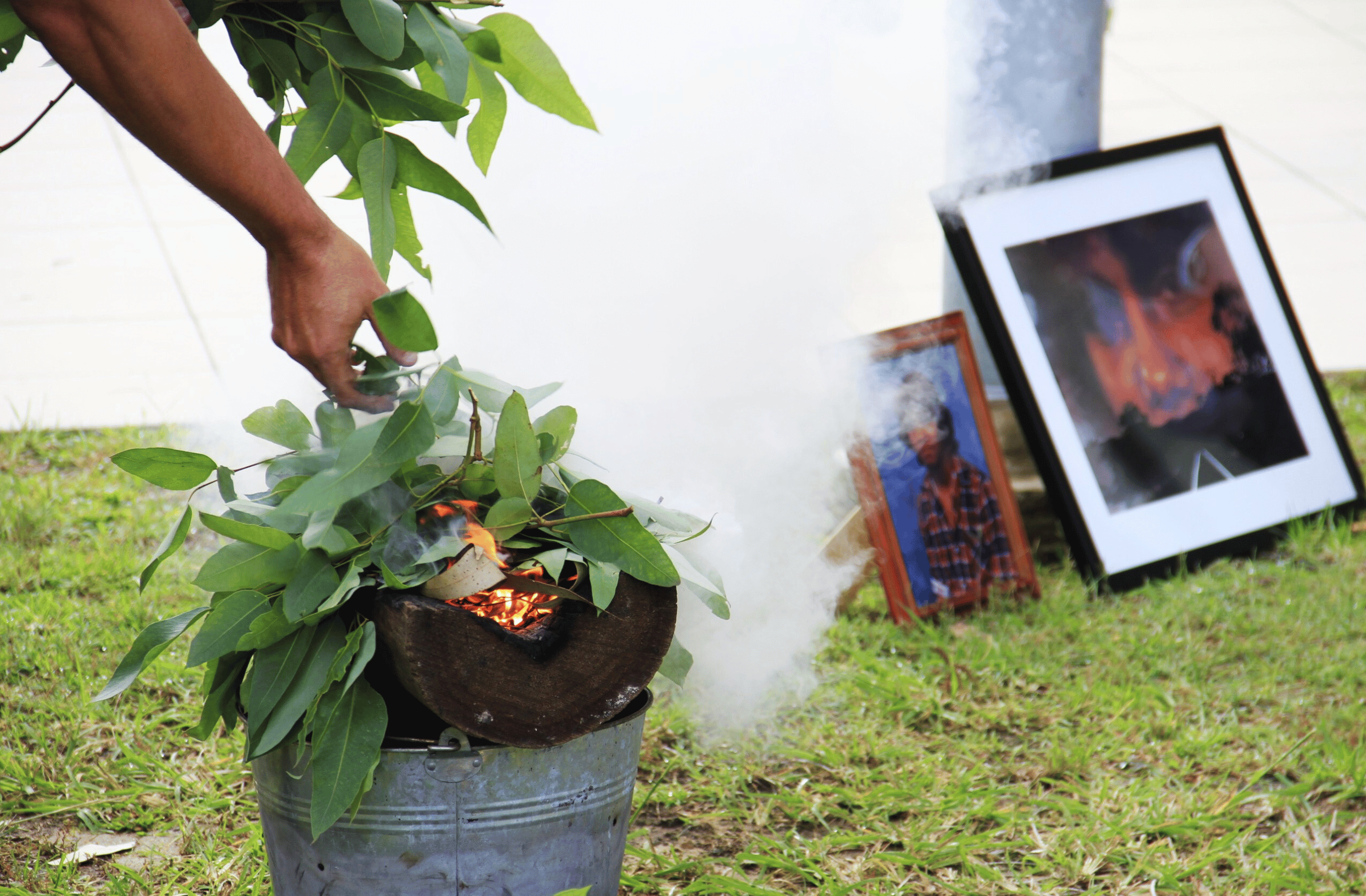
Barkindji Koori man, Murray Benton, along with his family, lodged a racial discrimination complaint with the Australian Human Rights Commission and later commenced proceedings at the Federal Court, after they experienced a series of traumatic events at a polling booth during and following the 14 October 2023 Voice Referendum.
The proceedings have now been resolved, with the AEC agreeing to implement a series of significant measures to improve cultural safety and accessibility across the electoral system.
As part of the substantial outcomes, the AEC will:
- Provide Aboriginal and Torres Strait Islander cultural competency training to all 100,000 temporary election workers before the next Federal election;
- Make cultural competency training mandatory for more than 1,000 ongoing/permanent staff (having previously been voluntary); and
- Introduce a dedicated telephone number to support Aboriginal and Torres Strait Islander peoples during election periods, before the next Federal election.
Throughout the matter, the Benton family sought practical reforms that would improve the experience of Aboriginal and Torres Strait Islander peoples engaging with Australia’s electoral system.
The Benton family’s experience highlights the racism First Nations Australians continue to face when engaging with public institutions and reinforces the importance of working together to remove systemic barriers and improve culturally safe access to public services.
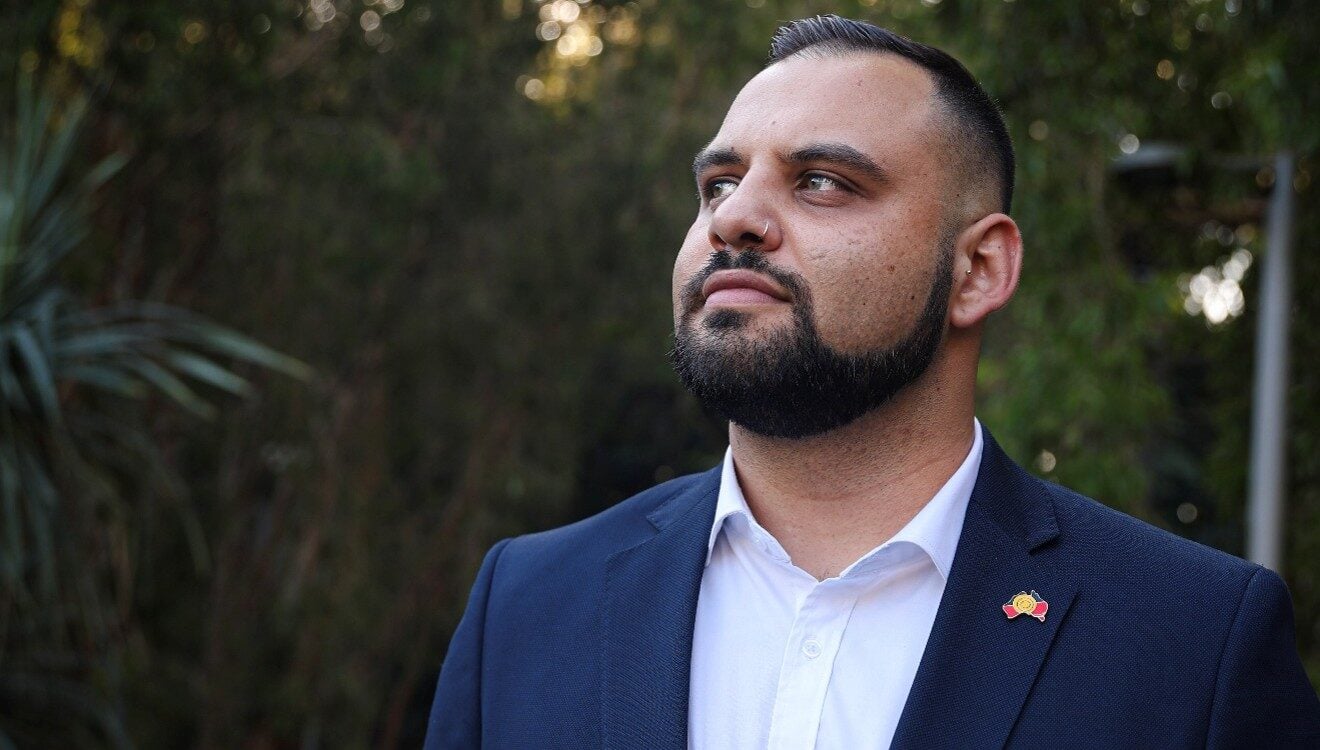
Murray Benton said:
“This has never been about looking backwards or assigning blame. It has always been about making sure no other Aboriginal or Torres Strait Islander person has to experience what my family experienced when exercising something as fundamental as their democratic right to vote.
“The measures agreed to by the Australian Electoral Commission represent meaningful, practical change. Cultural competency training for more than 100,000 election workers and stronger support for First Nations voters are vital steps towards ensuring our electoral system is safe, respectful and accessible for everyone.
“I hope this outcome encourages all people to speak up and call out when discrimination occurs. Lasting change is possible when institutions are willing to listen, reflect and work in genuine partnership with communities to strengthen the systems that serve us all.”
The National Justice Project is proud to stand with Murray Benton and his family in this case.
Adjunct Professor and CEO George Newhouse AM, said:
“This outcome shows that when First Nations people raise concerns that are heard, and institutions are willing to listen and respond, meaningful reform is possible.
“Access to justice begins when people are supported to speak up about discrimination and have clear pathways to hold institutions accountable. Individual complaints can lead to systemic change, and tools like Hear Me Out and the Call It Out Racism Register help make sure those experiences are properly documented and can be used to drive change.”
Distinguished Professor and Board Chair Larissa Behrendt AO said:
“We must stop to recognise the significance of these outcomes given the reality that Aboriginal and Torres Strait Islander peoples have been historically excluded from Australia’s democratic processes, and the right to vote was hard fought across generations.
“Racism and exclusion are not something of the past. They continue to have real consequences for how safely our people are able to take part in public life. That is why it is so important that it is called out and challenged wherever it happens.”