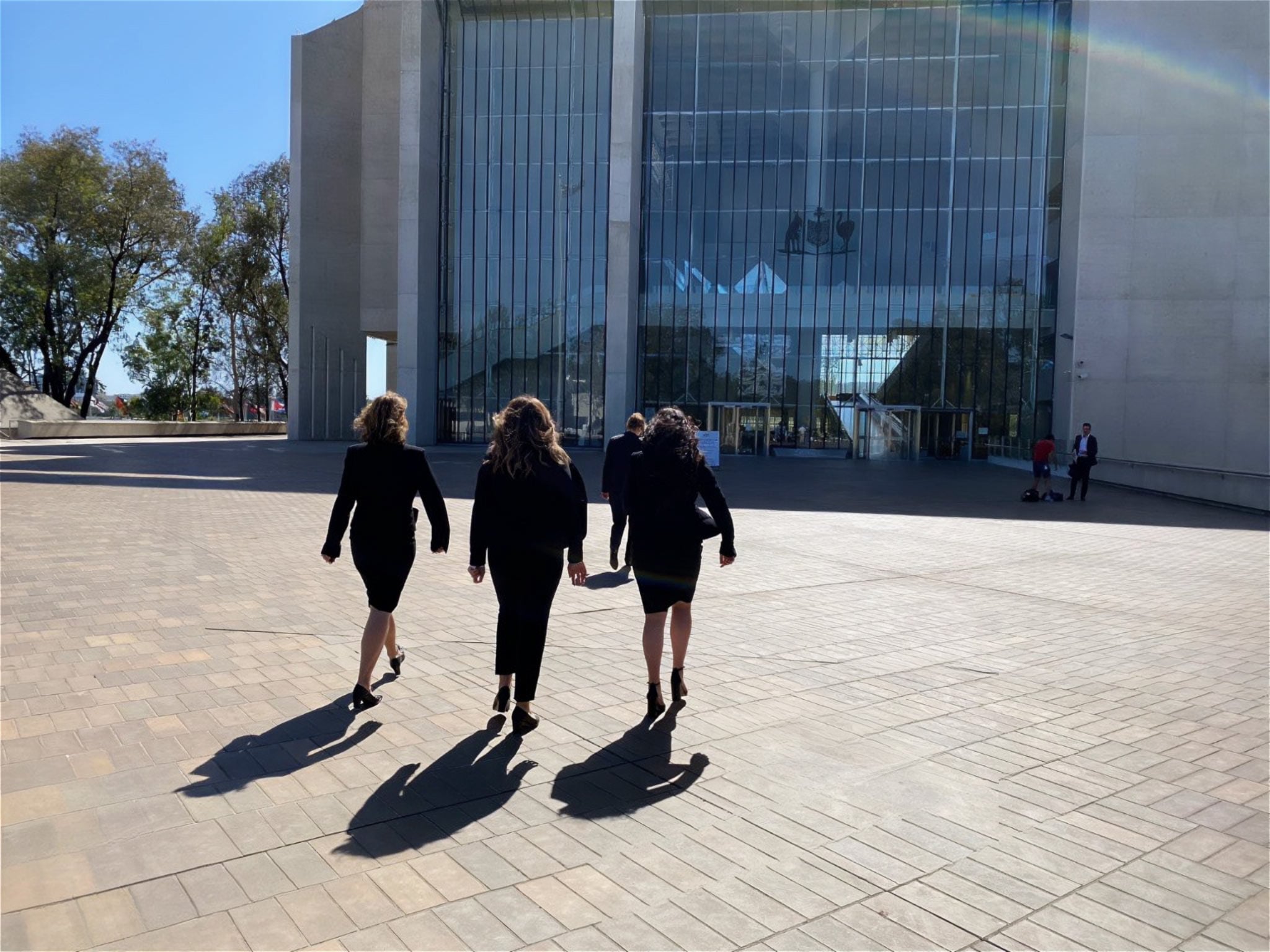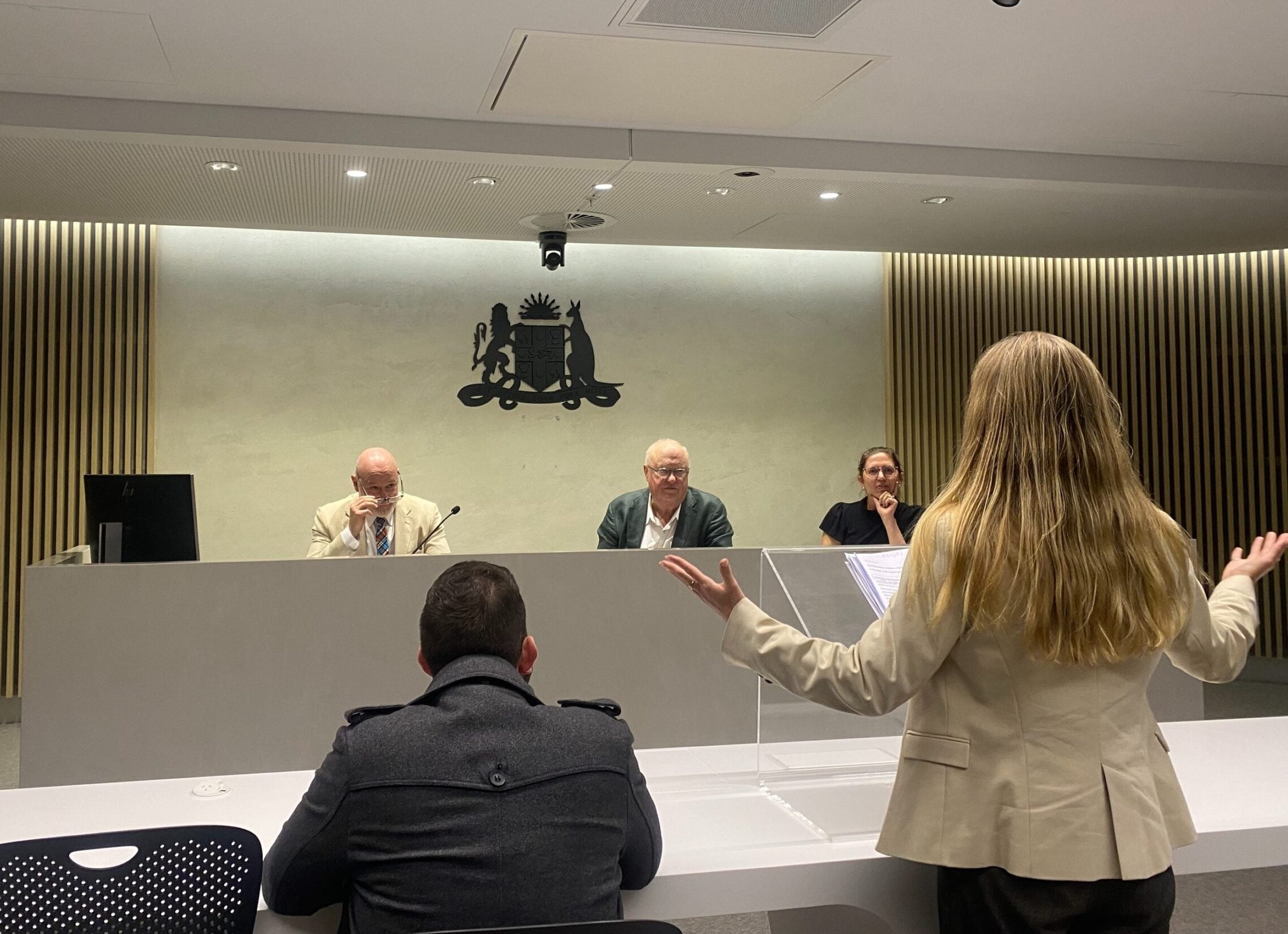
This year, the National Justice Project partnered with the University of Technology Sydney and the Jumbunna Legal Strategies Hub to launch the Strategic Litigation Clinic, putting trauma-informed practice at the centre of legal training from day one.
Trauma can affect how a person thinks, feels and behaves. Whether it’s triggered by a single event, or a series of difficult experiences, it can stay with someone for years and completely change their sense of safety.
And the effects don’t always look the same for everyone, with people experiencing any number of emotions and physical reactions such as anxiety, confusion, loneliness, sadness, anger, tiredness and numbness.
A trauma-informed and culturally safe approach in practising law, recognises trauma looks different for everyone and adapts the way services are delivered so people feel respected and that they are in control of their story as they navigate the legal system.
What trauma-informed lawyering looks like in practice
Trauma-informed lawyering is often reflected in deliberate, practical choices both in the day-to-day work and on a wider organisational level. Examples for lawyers can include:
- Explaining processes in plain language, instead of legal jargon
- Asking permission before raising topics that might be distressing
- Noticing when someone needs to pause or take a break
- Arranging interpreters so clients can communicate comfortably and confidently
- Giving people the time and space to ask questions and make informed decisions about their own case
- Understanding that memory gaps or inconsistencies can be a response to trauma, not dishonesty
- Making sure clients feel in control throughout the legal process.
At an organisational level, it means creating spaces where people feel physically and emotionally safe to speak, as well as embedding trauma-informed and culturally safe principles into policies, which should be part of everyday practice.
It’s equally important to support staff who may experience vicarious trauma. Hearing distressing stories day after day can take an emotional toll, and organisations need to recognise and respond to that with structured support.
Creating safer spaces also means valuing diversity within legal teams and recognising that lawyers with lived experience can bring a unique depth of understanding to their work.
Read more about trauma-informed lawyering here.
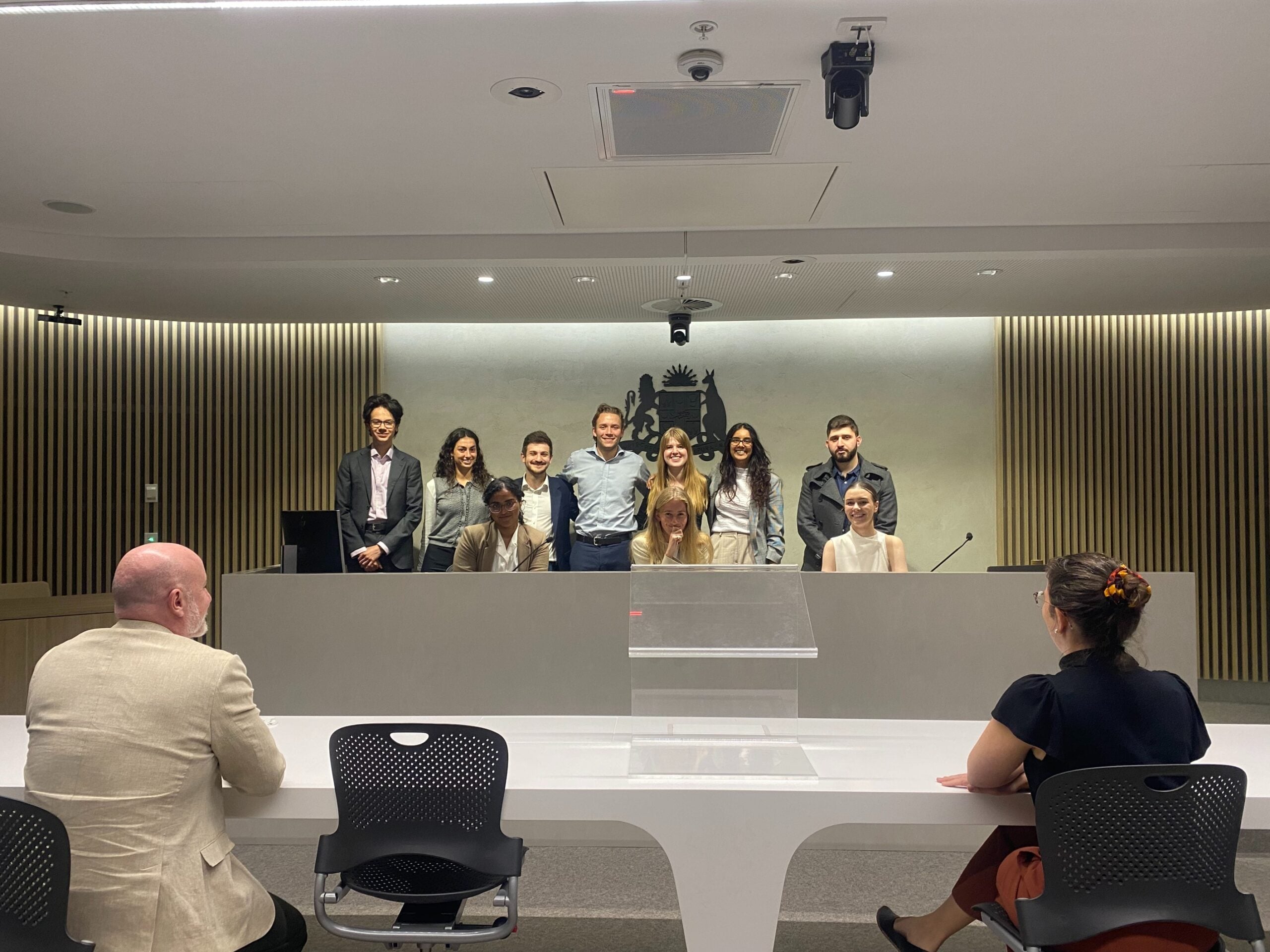
The Strategic Litigation clinic
The Strategic Litigation Clinic, in partnership with the Faculty of Law, is managed by Principal Solicitor Emma Hearne and Professor of Practice Craig Longman, Director of the Legal Strategies Hub at Jumbunna, with the support of the legal team at the National Justice Project.
Through the clinic, students work on real, high-impact matters affecting real people. They learn how strategic litigation can drive law reform and critically, how to practise law in a trauma-informed and culturally safe way.
Because, before students can advocate for justice in a courtroom, they need to understand how to work with clients in a way that does not cause further harm.
Why this matters for clients
Many communities the National Justice Project supports are more likely to have experienced trauma and discrimination when interacting with services.
This includes First Nations peoples, people living with disability, people from culturally and linguistically diverse backgrounds, and people seeking safety, who often face overlapping forms of racism and systemic disadvantage when accessing support.
For many people, the legal system can feel like another system to survive. Trauma-informed lawyering helps make sure it doesn’t become another source of harm.
Read more: Creating bold legal solutions to tackle the climate crisis with Lawhack 2026
Read more: Volunteer for justice: Legal and advocacy opportunities at the National Justice Project