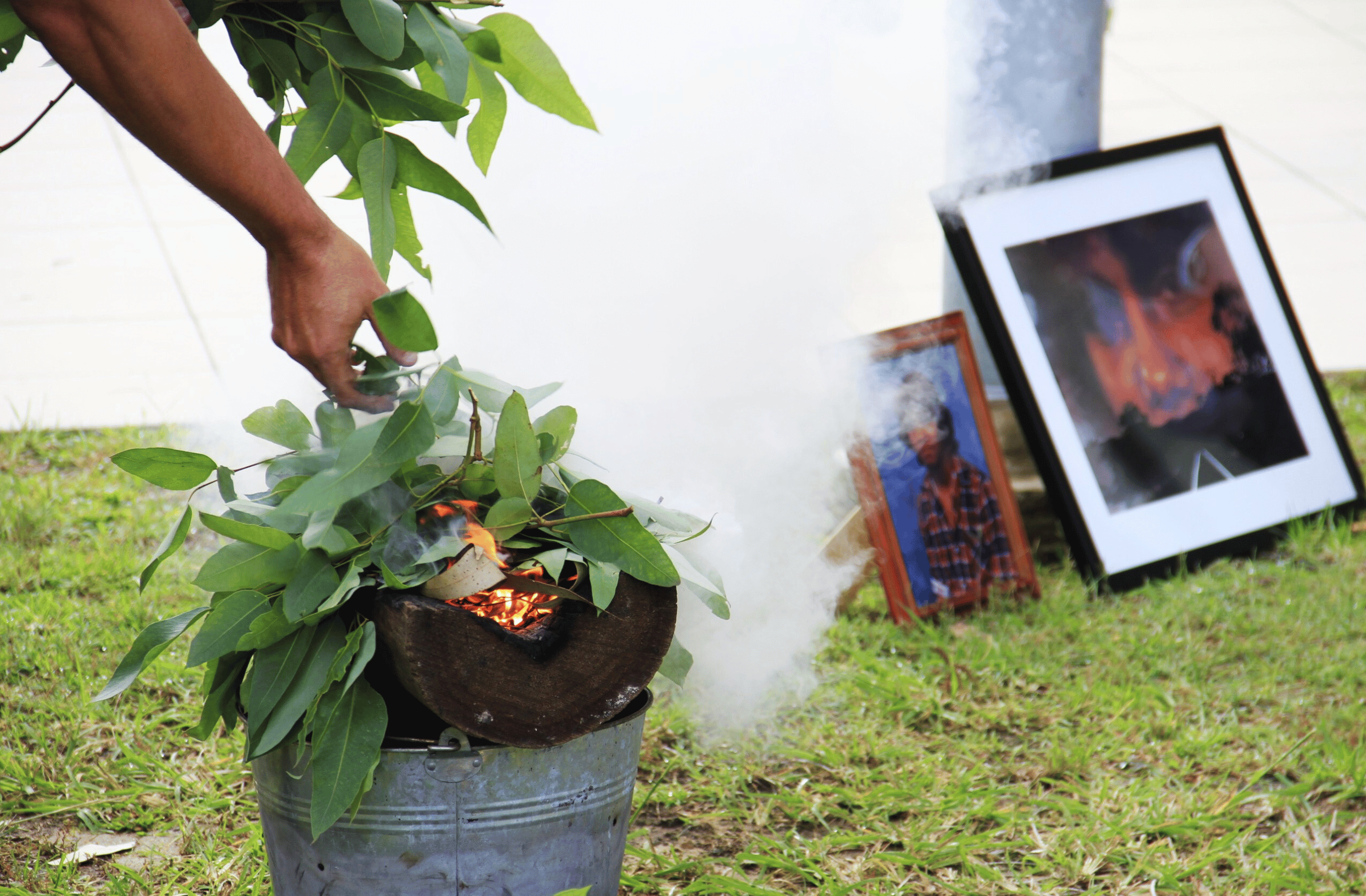
Content Warning: Aboriginal and Torres Strait Islander readers are advised that this media release contains the name of a Gomeroi person who has passed away.
The Coroner has ruled out suicide as the cause of death of Gomeroi teenager Mark Anthony Haines and delivered strong criticism of the way NSW Police investigated his death in 1988.
Mark, aged 17, was found on train tracks outside Tamworth on 16 January 1988. His family has spent decades seeking answers about how he died.
In handing down an open finding, NSW Deputy State Coroner Harriet Grahame concluded that it is highly likely there are people in the community that have firsthand knowledge of these events that they have not shared with police.
She was also highly critical of the original police investigation, stating:
“The original investigation was deeply flawed, superficial and inadequate from the outset. It was characterised by a lack of direction, statements taken on an ad hoc basis and nobody driving a coherent investigation.”
The inquest heard evidence that lines of inquiry were not pursued and that the strong possibility of third-party involvement was not adequately investigated at the time.
Evidence was also heard about how First Nations deaths were handled in the late 1980s, with the Coroner finding that racial bias likely influenced the investigative response to Mark’s death.
The National Justice Project represented Mark’s sister Lorna and brother Ron throughout the inquest.
Mark’s sister Lorna and brother Ron said in a family statement:
“We never believed in our hearts that Mark took his own life and today the coroner made that official. We’ve always maintained the fact that, if Mark was a white boy, we believe that there would have been more effort put in to find out what happened to him.
“In closing we would hope and pray that this opens the door up for other Aboriginal families whose pleas for police assistance have not been taken seriously. We want to make sure through our story that other families won’t have to live without knowing what happened to their loved ones.”
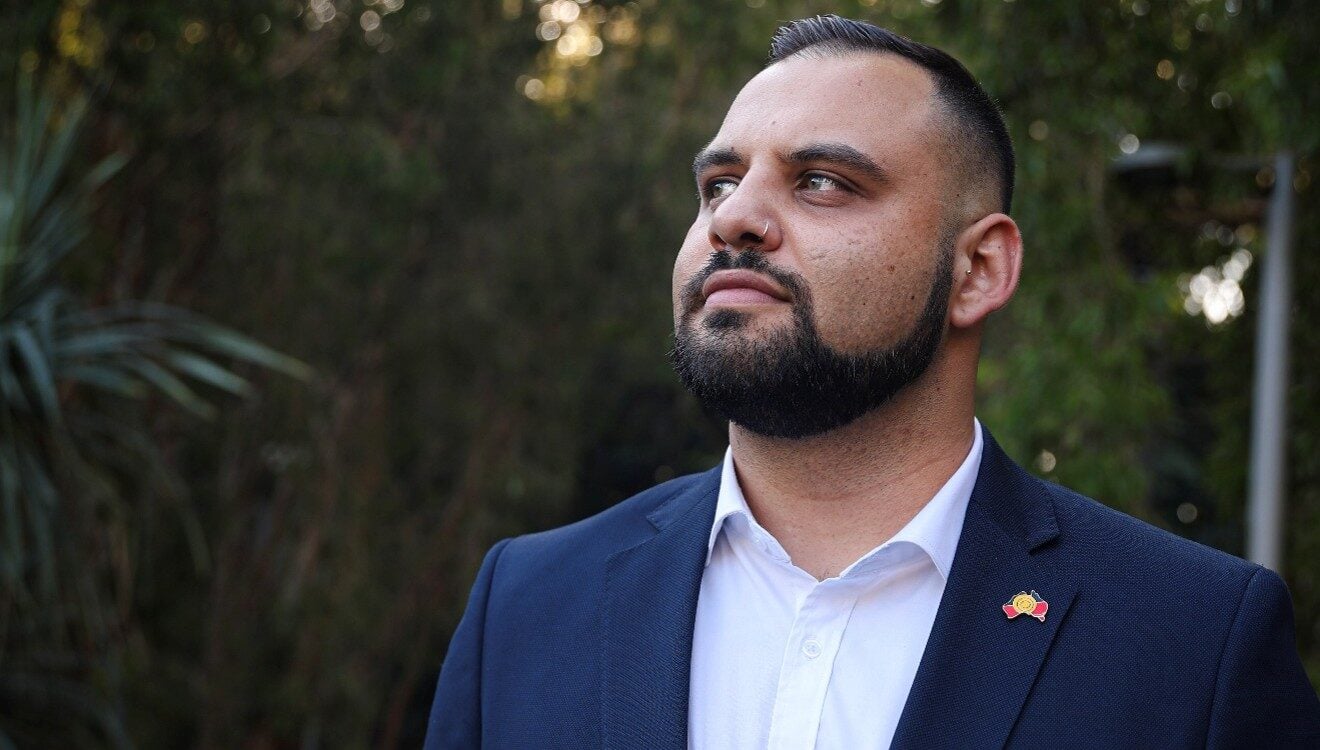
Duncan Fine, Special Counsel at the National Justice Project, added:
“This inquest has shown just how inadequate the original police investigation was.
“Nearly four decades later, Mark’s family are still searching for answers because the investigation in 1988 failed to meet even the most basic standards. Throughout this process, they have shown extraordinary dignity, patience and perseverance in their fight for truth and justice.
“The evidence heard during this inquest also raises deeply troubling questions about whether Mark’s death was treated with the seriousness it deserved because he was an Aboriginal teenager. Had Mark been a white boy, there is a real question as to whether the investigation would have been concluded in 38 days rather than 38 years.”