Content Warning: Aboriginal and Torres Strait Islander readers are advised the following includes the names of First Nations people who have passed away. This also includes distressing content.
When we think about a legal case, we often imagine one side winning and the other losing. But in human rights law, success can mean more than a good outcome for one person or family.
At the National Justice Project, we take on cases that can change the future for communities and help stop the same harm from happening to other people.
That means standing up to governments and powerful organisations when they discriminate against communities. This includes cases brought on behalf of First Nations people, people with disability and people seeking asylum.
We explore this approach with law students through our Strategic Litigation Clinic, delivered in partnership with the University of Technology Sydney, the Jumbunna Legal Strategies Hub and the Faculty of Law.
Through the clinic, students contribute to high-impact cases affecting real people. They also learn about more than just the law and courtrooms.
Training lawyers in strategic litigation involves helping them think about the wider change a case can bring. Success in is not always about a typical ‘win’ from a judge, it is about making an impact.
So, when we stand alongside our clients, how should we measure success and what does winning really mean?
What does it mean to have a settlement?
A settlement is an agreement between the parties to resolve a legal dispute without proceeding to a final judgment in court.
Settlements are often reached through mediation or negotiation. Each side considers the risks and benefits and agrees on terms. A settlement may include a financial payment, an apology or changes to policies and practices.
Once the agreement is signed, the legal proceedings usually end, and the parties generally cannot change their minds.
Financial compensation can recognise losses such as emotional harm, medical expenses, lost income and other impacts.
Unlike public hearings, settlement terms and amounts are often confidential and cannot be shared.
How do we measure impact in strategic litigation?
A settlement can support the people who have been harmed and acknowledge their suffering. But at the National Justice Project, our work focuses on cases which support our clients and also create wider change.
This means we take on cases that help prevent others from experiencing the same injustice in the future.
Strategic lawyering can:
Change laws and policies
Sometimes, impact can be shown when we campaign for change to the law or the introduction of new policies.
Legal action can expose harmful practices and pressure governments and organisations to change policies. It can also encourage the introduction of stronger protections against discrimination.
One example is our work with Murray Benton and his family. They lodged a racial discrimination complaint against the Australian Electoral Commission (AEC).
Murray, a Barkindji Koori man, and his family brought the complaint to the Australian Human Rights Commission after experiencing a series of traumatic events at a polling booth during and after the 2023 Voice referendum.
The AEC agreed to significant changes to improve cultural safety across the electoral system.
The changes included:
- Providing Aboriginal and Torres Strait Islander cultural competency training to all 100,000 temporary election workers before the next Federal election.
- Making cultural competency training mandatory for more than 1,000 ongoing/permanent staff (the training had previously been voluntary).
- Introducing a dedicated telephone number to support Aboriginal and Torres Strait Islander peoples during election periods, before the next Federal election.
Create accountability
We hold governments and powerful organisations responsible for harming people and communities.
Accountability can be difficult to achieve, but it’s important to challenge discrimination within the systems.
The National Justice Project supported the Mullaley family for years as they sought justice after the death of 10-month-old Baby Charlie.
In March 2013, Tamica Mullaley, a Yamatji mother of two, was brutally assaulted by her former partner. Instead of being treated as a victim, she was arrested and taken to a police station.
The police then left Charlie with members of her ex’s family. He later abducted and killed him.
Tamica and her father, Ted, spent years lodging complaints about discriminatory policing, taking matters to Court, speaking with the media and meeting parliamentarians.
Nearly a decade later, the Western Australian Government acknowledged the immense pain and injustice the family had faced since Charlie was killed.
Tamica and Ted were also pardoned for convictions arising from that traumatic night. This was an acknowledgement that WA Police should have acted differently.
Build social movements
One of the most powerful elements of strategic litigation is engaging the public to build a movement and make change.
At the National Justice Project, we stood alongside Leetona Dungay in her fight for justice for her son, David Dungay Jr. David died in Long Bay prison more than 10 years ago.
Together, we publicly campaigned, ran a petition signed by more than 100,000 people and submitted a landmark complaint to the United Nations.
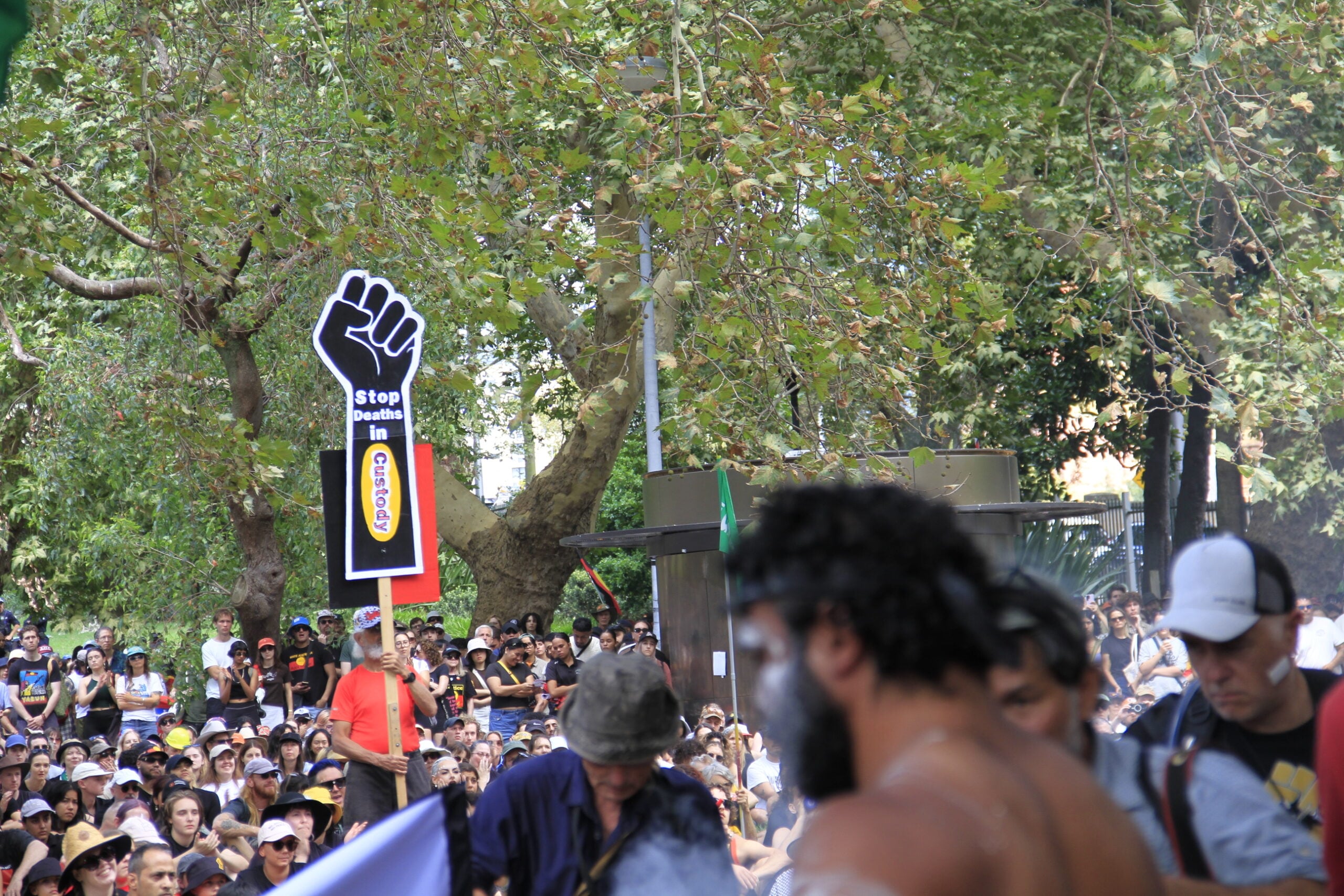
This helped bring national and international attention to First Nations deaths in custody and the need for change. It also connected David’s case to the global Black Lives Matter.
More than a decade after David died in custody, we are still standing with Leetona to fight for accountability and to end deaths in custody.
Learn more about our Strategic Litigation Clinic.