Health Justice means being able to walk into any hospital or clinic and know you will be treated with respect and receive the care you need, without fear of racism, bias or stereotyping.
But across Australia, First Nations people are still being denied safe healthcare, with laws, policies and structures that disempower communities from accessing health services. For families who experience these barriers, the consequences can be devastating.
Achieving Health Justice means dismantling these barriers to make sure care is safe for everyone. We’re exploring what Health Justice means and how it impacts First Nations women, families, and communities.
Professor Juanita Sherwood on building evidence with community
We spoke to Aboriginal Elder Professor Juanita Sherwood, a registered nurse, researcher at Jumbunna Research, and Vice-Chair Director of Waminda. With over three decades of experience, Professor Juanita has spent her career building evidence with communities to create solutions that strengthen First Nations health and wellbeing. She tells us why this work is crucial:
“I have been fortunate to be able to work with our First Nations Communities across Australia in urban, rural and remote settings over the last 30 years. These experiences have been both breathtaking and grounding, reminding me of the multiple strengths of our Peoples across Australia. Building evidence through research our way has established some vital solutions to contexts for community and their organisations that make a significant difference to their circumstances and the wellbeing of their Communities.
“The context of strength-based strategies grown in our communities in response to ongoing colonial injustices and injury are the strengths our people wish to share. Through research focused on our circumstances and strategies for improving our outcomes, using our ways of knowing, being and doing require funding based upon community research. Research is a tool for building our evidence, and telling our stories, and exploring ways forward that work for us. This is the work I am gifted to undertake and become inspired so often by the way our people care about our people, to make a difference for all.”
Birthing on Country program a powerful example of community-led healthcare
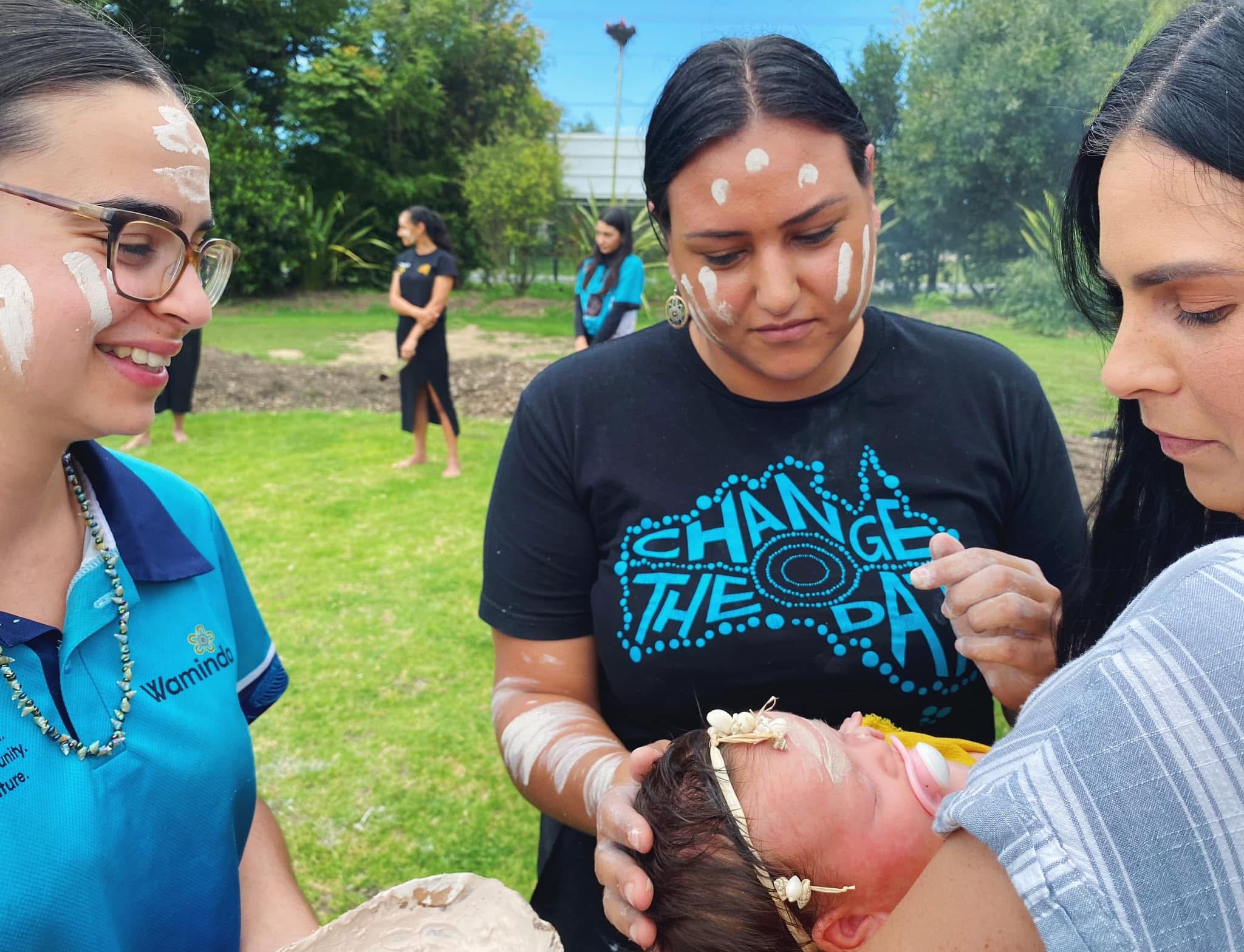
For more than 40 years, Waminda, South Coast Women’s Health and Wellbeing Aboriginal Corporation, has been providing culturally safe, holistic healthcare for Aboriginal women and their families.
Founded in response to the barriers First Nations women face when accessing health services, Waminda’s work shows what care can look like when it is community-led.
A major study released last month found Waminda’s rural Birthing on Country model led to significantly more normal vaginal births, higher rates of exclusive breastfeeding at hospital discharge, and strong engagement with wrap-around wellbeing supports.
Their Birthing on Country program is a powerful example of health justice in action, supporting Aboriginal women through pregnancy and birth with culturally safe care.
The Partnership fighting for Health Justice
To achieve Health Justice, we need to work both inside and outside the courtroom.
Together with our partner organisations in the Partnership for Justice in Health (P4JH), we’re advocating for systemic cultural and policy change to eliminate racism from our health and justice systems.
The P4JH brings together First Nations health leaders, academics, legal experts, and civil society organisations to improve Aboriginal and Torres Strait Islander health and justice outcomes.
Read more on Health Justice: