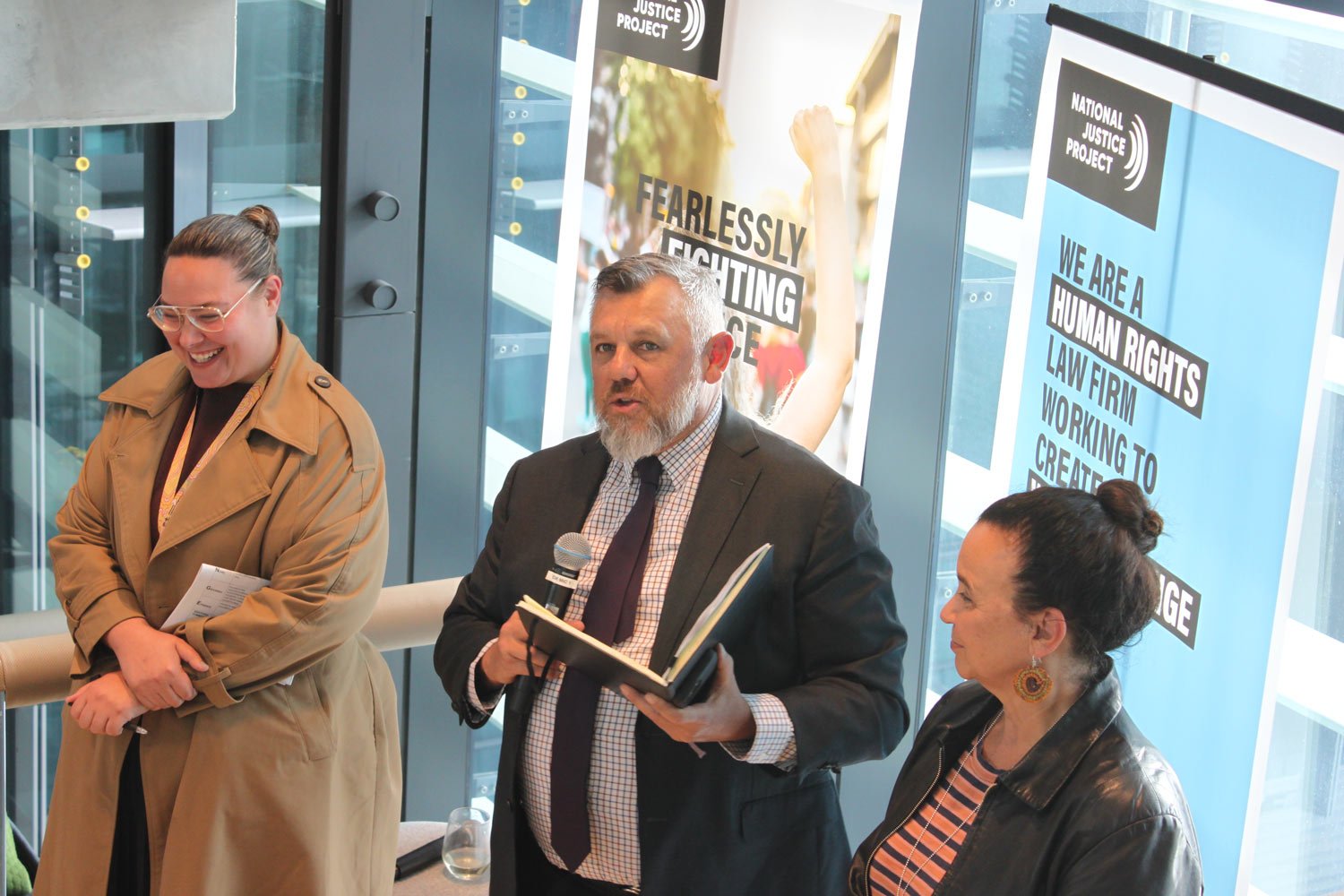
LawHack 2026 is the third strategic legal innovation event co-hosted by the National Justice Project and the Jumbunna Institute for Indigenous Education and Research.
Bringing together legal professionals, academics, advocates and community leaders, LawHack is designed to generate bold, practical legal responses to some of the most urgent human rights challenges of our time.
What is LawHack 2026?
This year, LawHack focuses on climate justice in Australia. At this flagship event, teams of lawyers and legal thinkers will be assigned a real-world climate justice challenge and asked to develop an innovative, evidence-based legal strategy to address it.
Each team will:
- Receive a detailed Hack Pack outlining the legal, social and historical context of climate justice and resources to assist in preparing for their challenge
- Work alongside expert mentors to refine and strengthen their approach
- Deliver a pitch, followed by Q&A before a panel of judges
The purpose is to create bold but achievable legal strategies capable of shifting law, policy, culture and public perception.
Why Climate Justice?
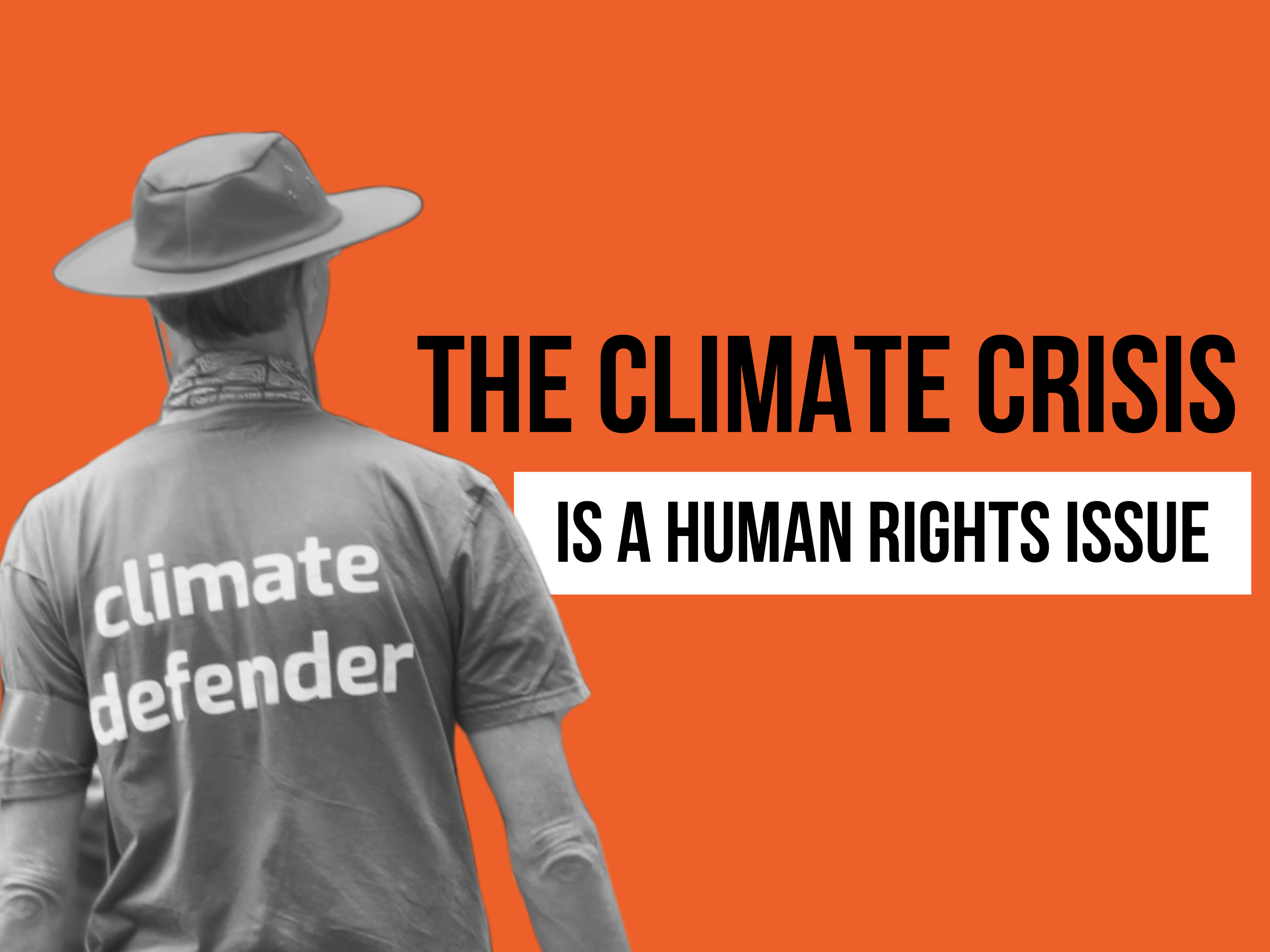
The climate crisis is not just an environmental issue, it’s one of the greatest human rights challenges of our time, and strategic legal action should be used to shape better outcomes.
Australia has already warmed by 1.5°C since national records began in 1910, and is highly exposed to climate devastation, from bushfires and floods to slow-onset desertification and sea-level rise. Yet the impacts are not evenly distributed.
The climate crisis is amplifying existing injustice, with people who have contributed the least to global heating often being impacted the most. These effects are already being felt across communities:
- First Nations communities are facing some of the most severe impacts. Research shows that land, water and food systems have already been damaged or destroyed, alongside the cultural impacts of the loss of Country.
- People with disability face higher risks during climate-related disasters. United Nations human rights analysis shows that barriers to emergency support make access to safe housing, healthcare, food, clean water, sanitation and essential medicines more difficult.
- Human rights analysis highlights that for children and young people extreme weather events can increase health risks, disrupt education and reduce access to basic needs such as food and safety.
The law is increasingly being used as a critical tool to address the climate crisis and its impacts on communities. Strategic legal action can hold major polluters to account and drive the systemic change needed to create a more sustainable future.
That’s why we urgently need to apply our skills and strategic thinking to put pressure on governments and corporations to take meaningful action.
Read more: Why the climate crisis is one of the biggest human rights challenges of our time
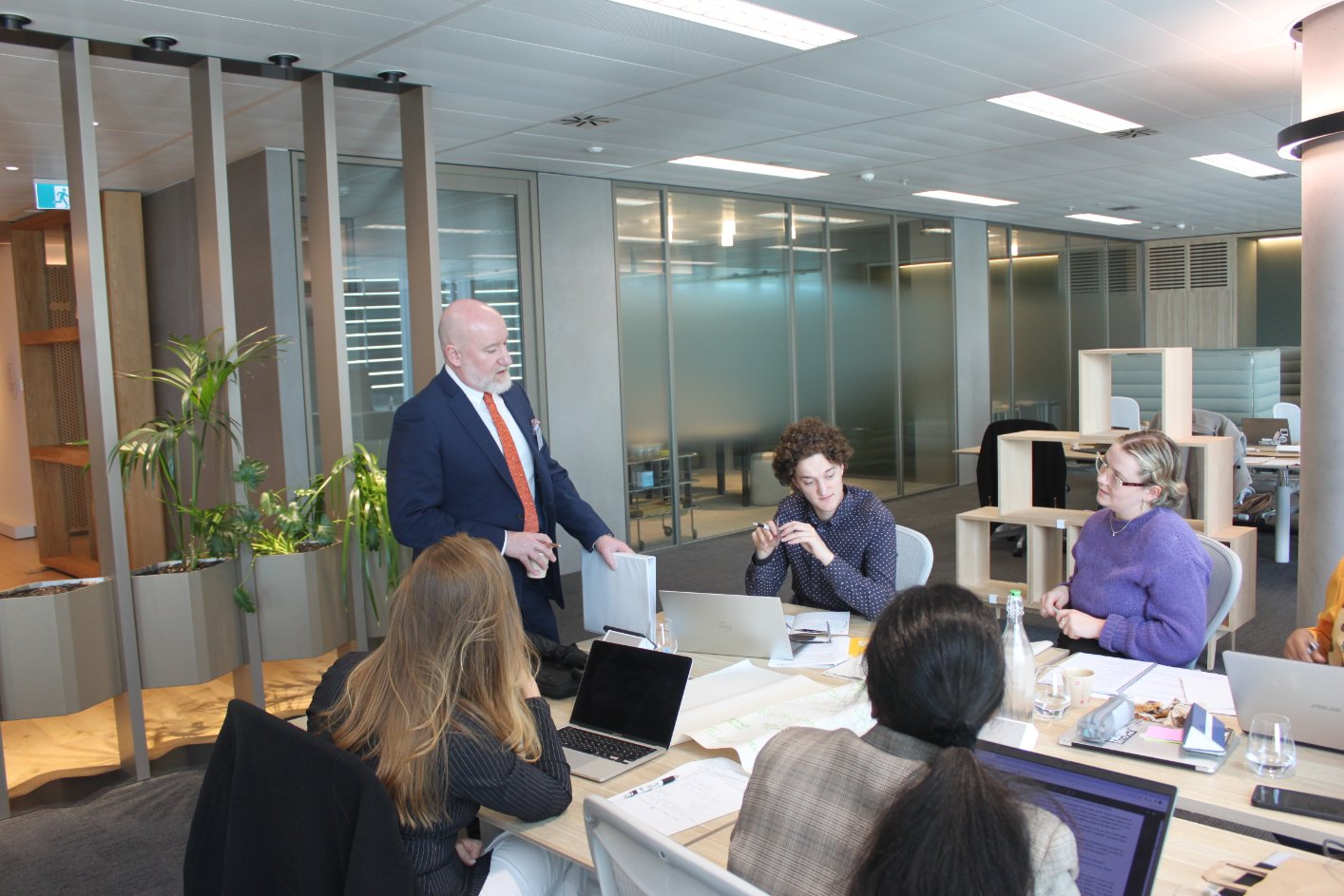
LawHack 2026 focus areas
LawHack 2026 concentrates on adaptation and mitigation strategies to promote accountability within climate law. Each team is allocated one of six broad questions which fall under two main categories:
- Adaptation measures which aim to prevent or minimise climate crisis damage. These questions explore how the legal system can support green energy, community resilience, and the disproportionate impact of the climate crisis on communities, while protecting the human rights of all people.
- Mitigation measures implemented to lower the rate of acceleration of the climate crisis. These questions focus on challenging existing legal frameworks, holding big polluters and government to account, and changing professional practices to support climate action.
Teams must determine their focus and identify opportunities for impact, before designing strategies that are bold and ambitious, but also achievable.
During the pitches at the end of the day, the LawHack 2026 judges will evaluate strategies against six key criteria:
- CHANGE – bold and strategic, showing potential to change the status quo (law, policy, culture and public perception).
- HUMILITY – respects people with lived experience as experts, drivers, and catalysts of change.
- ACHIEVABLE – clearly defined plan and strategy to make change.
- NOVEL – using legal action and advocacy in original, creative and innovative ways.
- GROUNDED – grounded in lived experience by addressing barriers of discrimination and injustice, in particular multi-layered disadvantage and discrimination.
- EVIDENCE – informed by research, data and evidence of need.
Lawhack 2026 expert mentors and judges
Participants are supported by leading voices in climate justice and Indigenous leadership, including:
- Dr Keely Boom – Awabakal woman, lawyer and Executive Officer of the Climate Justice Programme
- Professor Craig D Longman – Director of the Legal Strategies Hub at Jumbunna and barrister at Black Chambers
- Professor Beth Goldblatt – Leading researcher on equality-focused responses to climate change at the University of Technology Sydney
- Katrina Bullock – Journalist, lawyer and Head of Development and General Counsel at the Environmental Defenders Office
The pitches will be judged by two experts:
- Dr Marcelle Burns – Gomeroi-Kamilaroi woman and Associate Dean of Indigenous Leadership and Engagement in the Faculty of Law at UTS
- Dr Bal Kama – Strategic public law advocate specialising in constitutional law, human rights and climate justice
Mentors will be on hand to make sure LawHack strategies are intersectional and community-centred.
What next?
LawHack 2026 demonstrates what is possible when legal professionals work collectively toward climate accountability. It harnesses expertise and strategic thinking to confront one of the most urgent challenges of our time.
The National Justice Project is laying the groundwork for climate justice work that holds governments and corporations to account and centres the leadership and lived experience of affected communities.
Read more: How we catalysed legal action through LawHack 2023: Rights of the Child